|
|
Print
this page
Speakers
Overview l Programs l Speakers l Schedule
Testimonials l Conference & Marketing Info l Fees l Forms
Wrightslaw special education law and advocacy programs are taught by nationally-recognized experts in the field of special education law and advocacy.
Wrightslaw
programs are designed to meet the needs of parents, advocates, educators,
attorneys, and health care providers who represent children with disabilities.
 Pete
Wright
is
an attorney
who represents children with special educational needs. His advocacy grew
out of his personal educational experiences. Pete
Wright
is
an attorney
who represents children with special educational needs. His advocacy grew
out of his personal educational experiences.
Pete represented Shannon Carter before the U. S. Supreme Court in Florence
County School District Four v. Shannon Carter, 510 U.S. 7 (1993)
- the Court issued a unanimous
decision on Shannon's behalf.
Pete is the co-author of Wrightslaw:
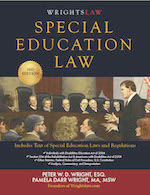
Special Education Law, 3rd Ed. (2023), Wrightslaw:
No Child Left Behind (2003), Wrightslaw:
IDEA 2004, (2005), Wrightslaw:
From Emotions to Advocacy, 2nd Ed. (2005), Wrightslaw:
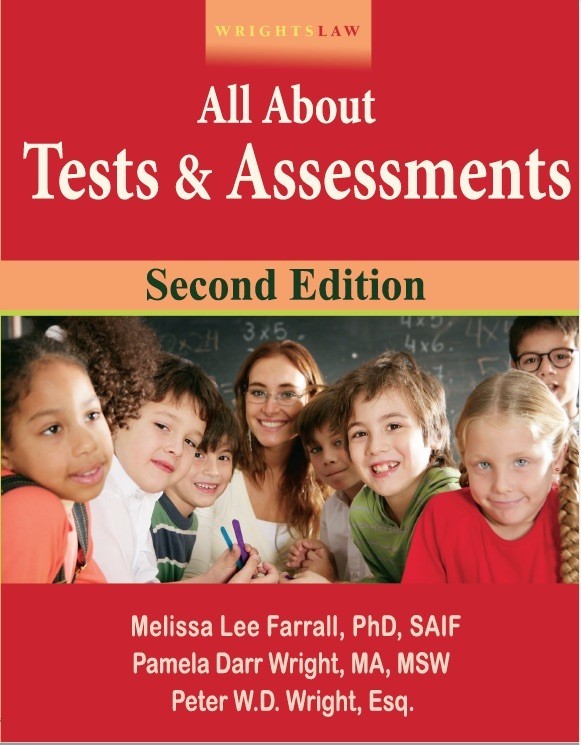
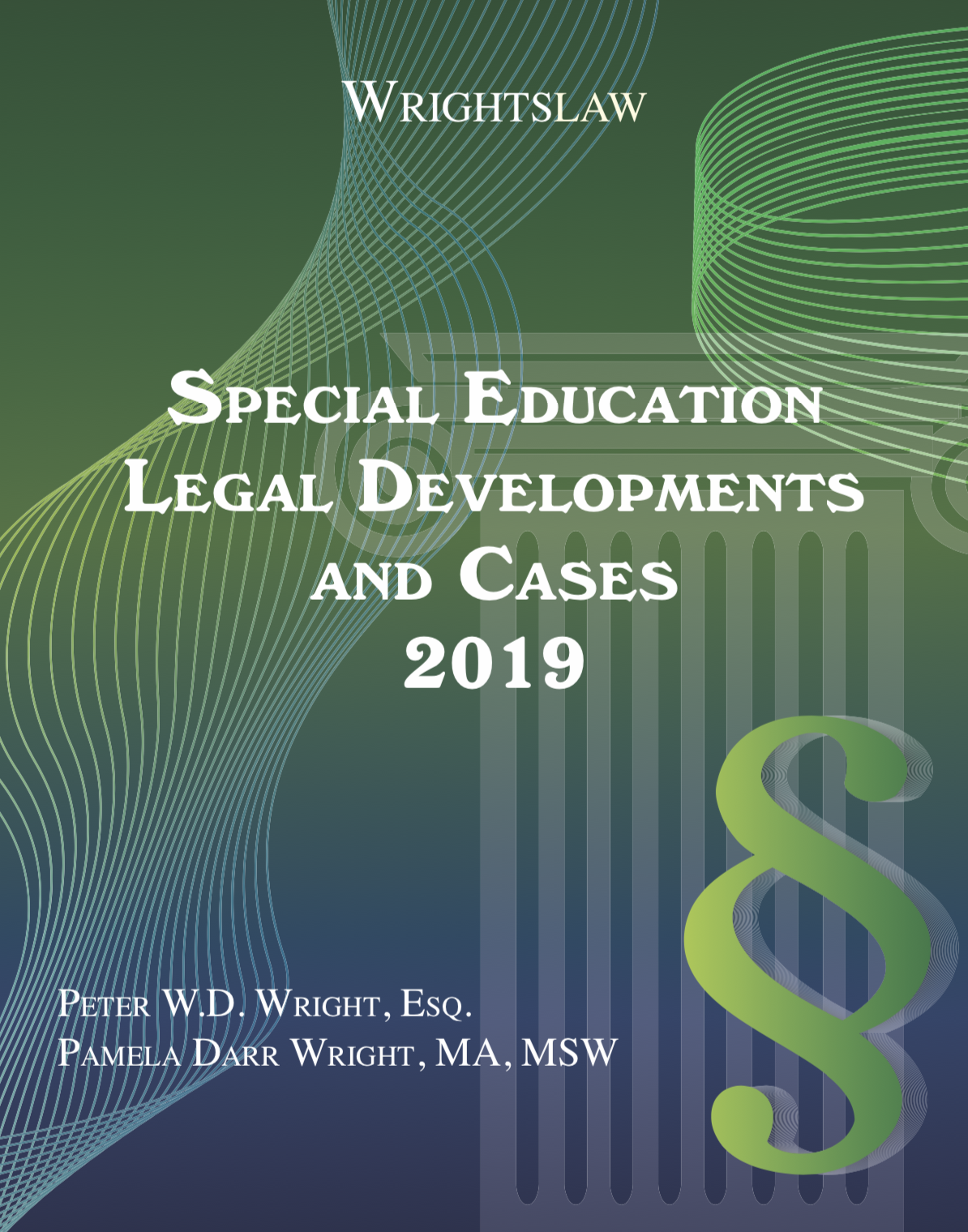
All About IEPs (2009), Wrightslaw: All About Tests and Assessments (2014), and the Year in Review Series -Wrightslaw: Special Education Legal Developments and Cases.
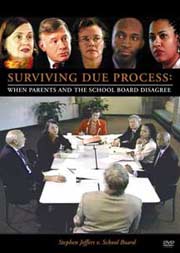
He appeared as the parent's attorney in the award-winning DVD video, Surviving
Due Process: When Parents and the School Board Disagree - Stephen Jeffers
v. School Board (2004).
Live, in-person, and simultaneous Zoom
Pete Wright can provide training as a live, face-to-face program, a Zoom virtual training program, or as a mixture of both, with a live, in-person audience and remote Zoom attendees. In all training, attendees receive the books as print books and as searchable PDF files.
Pete
Wright's bio.
 Pam
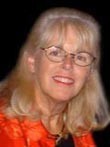
Wright is a
psychotherapist who has worked with children and families since the early
1970’s. Pam
Wright is a
psychotherapist who has worked with children and families since the early
1970’s.
Her training and experience in clinical psychology and clinical social
work give her a unique perspective on parent-child-school dynamics, problems,
and solutions.
Pam
has written extensively about raising, educating and advocating for children
with disabilities.
She is the
co-author of Wrightslaw:
Special Education Law, 2nd Ed. (2006), Wrightslaw:
No Child Left Behind (2003), Wrightslaw:
IDEA 2004, (2005), Wrightslaw:
From Emotions to Advocacy, 2nd Ed. (2005), Wrightslaw:
All About IEPs (2009), Wrightslaw: All About Tests and Assessments (2014), and the Year in Review Series -Wrightslaw: Special Education Legal Developments and Cases.
Pam is also the editor of The Special Ed Advocate newsletter.
Pam Wright's schedule & bio
Pat
Howey has a M. Jur. with a concentration in special education advocacy from St. Mary's University Law School and a B.A. in Paralegal Studies from Saint Mary-of-the-Woods College. She is a member of Lamba Epsilon Chi, an Indiana Registered Paralegal, an affiliate member of the Indiana and the American Bar Associations, and a national known parent advocate with over 40 years of experience helping families.
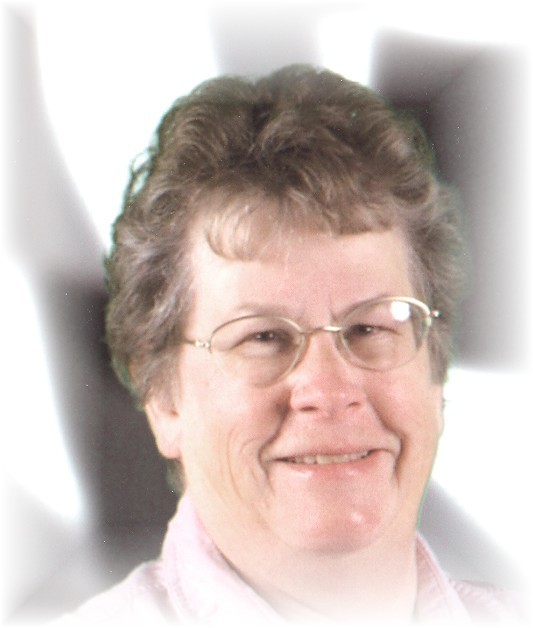 The author of Special Education: Plan and Simple, Special Education, Educacion especial: clara y simple, and the Commentary series. Pat has numerous articles published on the Wrightslaw website, Ask
the Advocate. Pat has been a member of the Wrightslaw Speakers Bureau since 2005 and has presented on special education and advocacy from coast to coast. The author of Special Education: Plan and Simple, Special Education, Educacion especial: clara y simple, and the Commentary series. Pat has numerous articles published on the Wrightslaw website, Ask
the Advocate. Pat has been a member of the Wrightslaw Speakers Bureau since 2005 and has presented on special education and advocacy from coast to coast.
Pat is a charter member and past Director of the Council of Parent Attorneys and Advocates (COPAA) and a faculty member of the annual Special Education Advocacy Summit held at St. Mary's University Law School in San Antonio, Texas. She currently works as a paralegal in the Education Division of Connell Michael Law Firm in Carmel, Indiana.
Pat presents From
Emotions to Advocacy programs, teaching parents how
to assess their children's strengths and challenges, enhance their ability to work as a team in school meetings, and building healthy working relationships with school personnel. She specializes in teaching the "gentle art of disagreeing" and using the Bell Curve for understanding tests and measurements.
Sample
agenda. Pat
Howey's schedule & bio
Wayne
Steedman
is an attorney whose practice is devoted primarily to the representation of children with disabilities.
 Wayne has a law degree from the University of Maryland and a Master's Degree in
Social Work. He has served as a hearing officer and is an active member
of the Council of Parent Attorneys and Advocates
(COPAA).
Wayne has a law degree from the University of Maryland and a Master's Degree in
Social Work. He has served as a hearing officer and is an active member
of the Council of Parent Attorneys and Advocates
(COPAA).
Wayne also
presents What
You Don't Know About IDEA 2004 CAN Hurt You.
Wayne
Steedman's schedule & bio
To Top
Last updated: 06/27/2025
|
|